

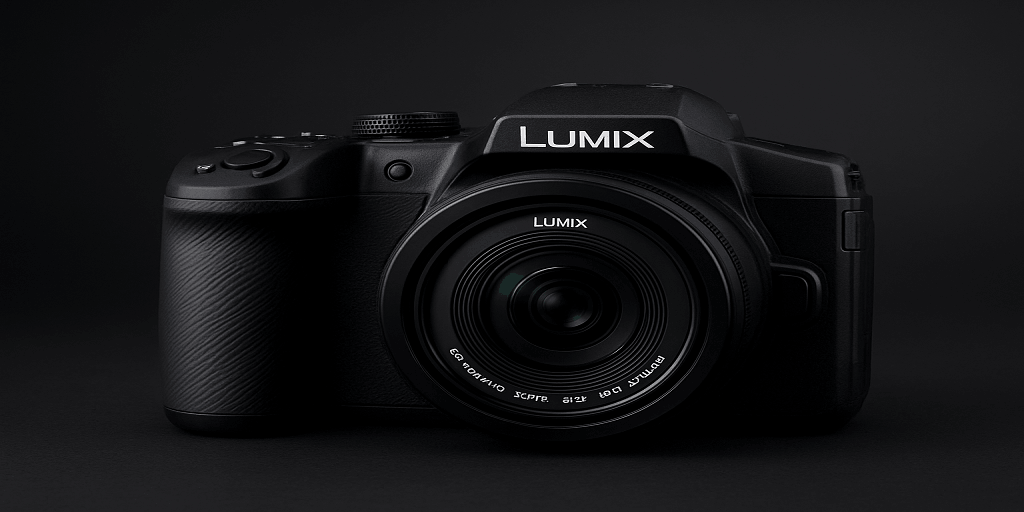
The Blackmagic Pocket Camera has been around for a while, but people still bring it up. It’s not new, and it doesn’t have fancy tricks or marketing flash. It just gets the image right, and that’s enough.
For a small camera, it delivers a surprisingly film-like texture. The picture has depth and a kind of life to it that most compact bodies can’t pull off. It feels more like something you’d see projected on a screen than a quick digital shot, which is probably why people still mention it when they talk about real cinematic cameras.
It’s the one you pick up when you want your footage to look like film instead of something flat from a phone. At its core, the Blackmagic Camera is made for filmmakers, not vloggers. It uses a Micro Four Thirds sensor, records in Blackmagic RAW or ProRes, and produces a true 4K image that still looks impressive.
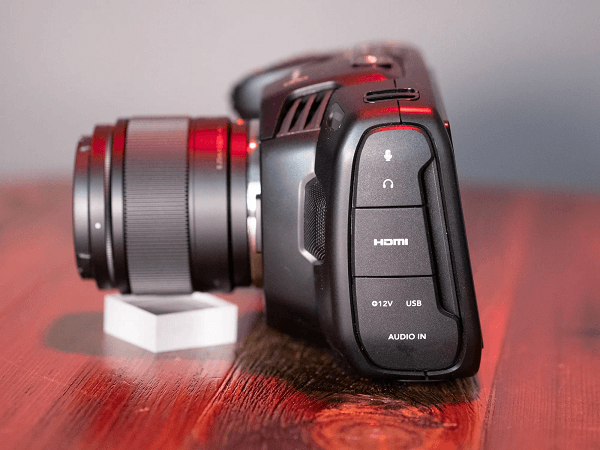
You get a large five-inch touchscreen, dual native ISO for low light, and solid connectivity—HDMI, mini XLR, USB-C for SSDs, and dual card slots. It’s small, light, and straightforward, but definitely not your average “point-and-shoot” setup.
Why It Still Stands Out
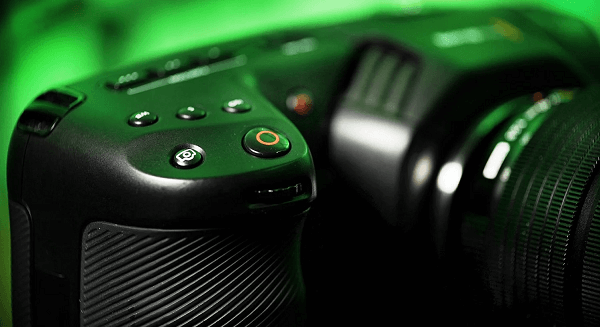
There’s a reason people still swear by the Blackmagic 4K. The image quality has that signature look—soft contrast, deep color, and flexible dynamic range that gives you plenty to work with when grading.
The Blackmagic Cinema Camera line has always been about letting you push footage in post-production without it breaking apart. You can brighten dark scenes, tone down highlights, and reshape color completely. That’s what gives it its staying power.
The Black Magic Cinema Camera isn’t the newest or fastest camera out there, but the picture it delivers still looks cinematic in 2025. You can see it in how it handles light and movement—it feels more “film” than “digital.” That’s pretty rare at this price range. It’s not about chasing specs—it’s about consistency. Pair it with good glass, and it still outperforms cameras that cost more.
The Experience of Using It
The Blackmagic Pocket Cinema Camera is a simple-looking thing. Nothing about it screams “high-end,” but once you use it, you get what it’s meant for. Out of the box, it’s light—almost too light. Feels kind of plastic, but it’s fine.
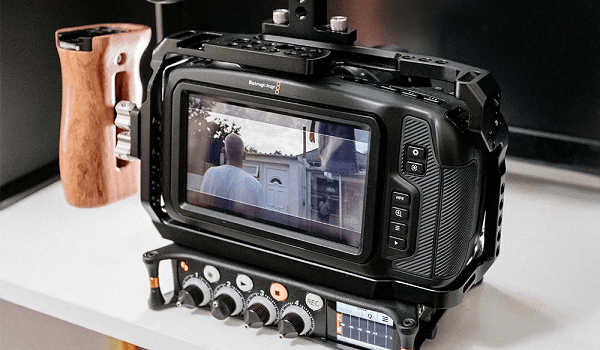
The moment you add a cage, plug in power, and maybe mount an SSD, it changes completely. Suddenly, it feels like a real camera. That extra gear gives it weight, balance, and a bit of seriousness. Without that stuff, it’s almost toy-like, but once built out, it feels right.
If you’ve never used something like this before, the Black Magic Camera takes a bit to get used to. No stabilization inside, so handheld shots move a lot unless you’re careful or use a gimbal.
Autofocus isn’t smart either—it’s just tap and focus. That’s it. You end up doing it by hand, which sounds annoying but actually feels good once you get into it. It forces you to slow down. You stop rushing shots, think more about the frame, the light, what you’re doing. It’s old-school, in a nice way.
Power and Practicality
Here’s the honest truth: the Blackmagic Cinema eats batteries for breakfast. Expect around 45 minutes per charge, maybe less. Most users run external power or larger battery setups. Once powered properly, though, it runs consistently and rarely overheats.
You can record internally to CFast or SD cards, but the smarter choice is plugging an SSD straight into the USB-C port. It makes file transfers easy and saves you from spending a fortune on fast cards. It’s one of those small but genuinely useful details that make the Black Magic 4K so reliable on real projects.
The Image Workflow
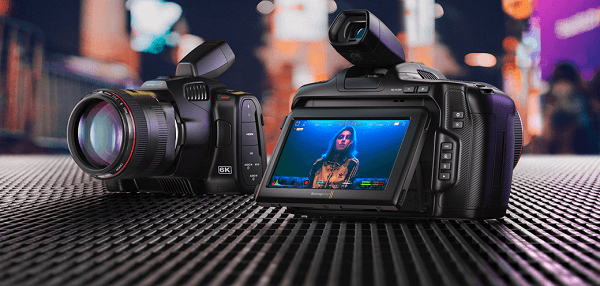
If you’re cutting in DaVinci Resolve, the Blackmagic Pocket Cinema Camera 4K drops right in without friction. The Blackmagic RAW workflow’s pretty simple once you get the hang of it. It just works the way you expect, no weird surprises.
You still get all the flexibility of shooting RAW, but the files aren’t massive like some other formats. Playback runs smoothly too, even on a normal setup, which is honestly a relief when you’re editing for hours.
This is really where the Black Magic Pocket 4K shines—it fits perfectly into a post-production setup. Color correction, syncing, exporting—it all feels connected. This isn’t a one-take vlog camera; it’s a storytelling camera built for projects that live or die by the way they’re finished.
Low Light and Dynamic Range
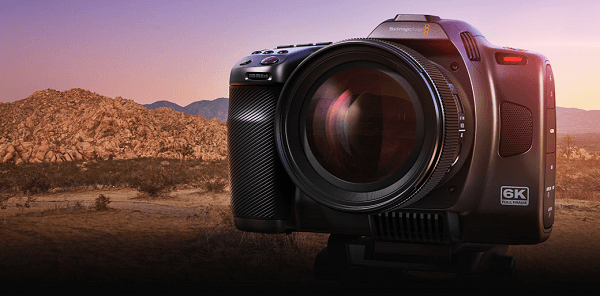
Low light used to be rough for smaller sensors, but the Blackmagic Pocket Cinema Camera holds up better than you’d expect. The dual native ISO—400 and 3200—actually works. It keeps things clean, not perfect, but clean enough that you don’t panic when the lights drop. If you expose carefully, it still looks solid. You’ll want some kind of light around, though; this isn’t a miracle machine. Shadows stay decent, details don’t fall apart, and that’s what matters.
The Blackmagic Pocket 4K does just as well with highlights. You get around 13 stops of range, give or take, which is plenty for a camera at this level. You can shoot near a bright window and still keep texture in someone’s face. That balance between dark and light gives the footage a richer, more expensive feel—even when your setup isn’t fancy.
Portability vs. Rig Life
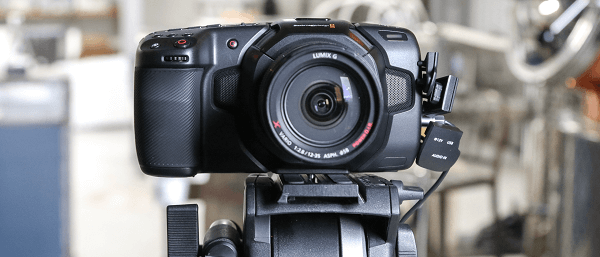
Calling it a “pocket” camera is kind of funny once you rig it up, but that’s part of the fun. Add a cage, a battery plate, maybe a monitor, and the Black Magic Pocket Cinema Camera becomes a little tank. The flexibility to go minimal or full-rig is what makes it so adaptable.
It’s not a camera that’s designed around convenience—it’s designed around control. Once you learn the layout, it all makes sense. The touchscreen is large and responsive, menus are fast, and you’re never buried in endless submenus. The Blackmagic Camera keeps everything visible, which makes shooting feel smooth and intentional.
Setting It Up Right
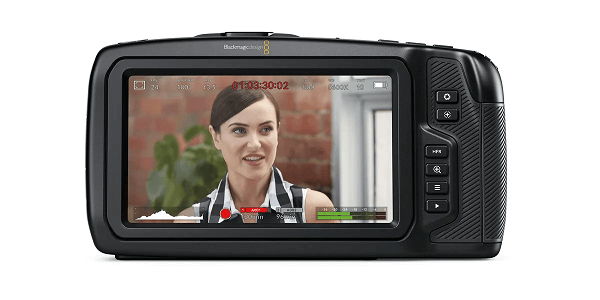
To get the most out of the Blackmagic Pocket Cinema, think of it as part of a setup, not a lone camera. You’ll need a few basics—extra power, an SSD for longer takes, and something to block sunlight from the screen. Indoors, it’s fine, but outside, that display washes out fast. A small monitor or loupe fixes it. The built-in screen looks fine indoors, but once you’re out in the sun, it’s almost useless. A loupe or minor monitor fixes that fast.
Once it’s built, it’s dependable. The camera runs cool, performs consistently, and delivers images you can trust. The color science gives you breathing room even when exposure isn’t perfect. It rewards people who pay attention to detail—lighting, framing, composition. There’s no automation to save you, but when you get it right, it looks phenomenal.
Still Worth Buying in 2025
Even with all the new mirrorless cameras out now—10-bit, built-in stabilization, tracking this and that—the Blackmagic Camera still makes sense. It’s not the easiest thing to shoot with, but it’s real. The image has that raw feel, the kind that looks like film instead of something processed. No preset can fake that.
Yeah, the newer 6K models have more bells and whistles, but the Blackmagic Pocket Cinema Camera 4K still sits in a good spot. It gives solid quality without the huge price tag, which is really what most people care about. For indie films or small paid jobs, it just works.
A lot of folks stick with it because it slows you down—in a good way. You stop rushing, start paying attention, and that care shows up later when you watch the footage back.
It’s not trendy, and maybe that’s why it lasts. The camera doesn’t try to do everything—it just focuses on one thing: getting that image that feels alive. You plan more, you think more, and honestly, that’s part of what makes shooting with it fun.It’s not for everyone, but if you get it, you’ll probably never sell it. Whether you call it the Blackmagic Camera, the Black Magic Camera, or simply the BMPCC 4K, it’s still one of the most genuine filmmaking tools out there—and proof that great images don’t depend on having the newest gear.
Read Also