

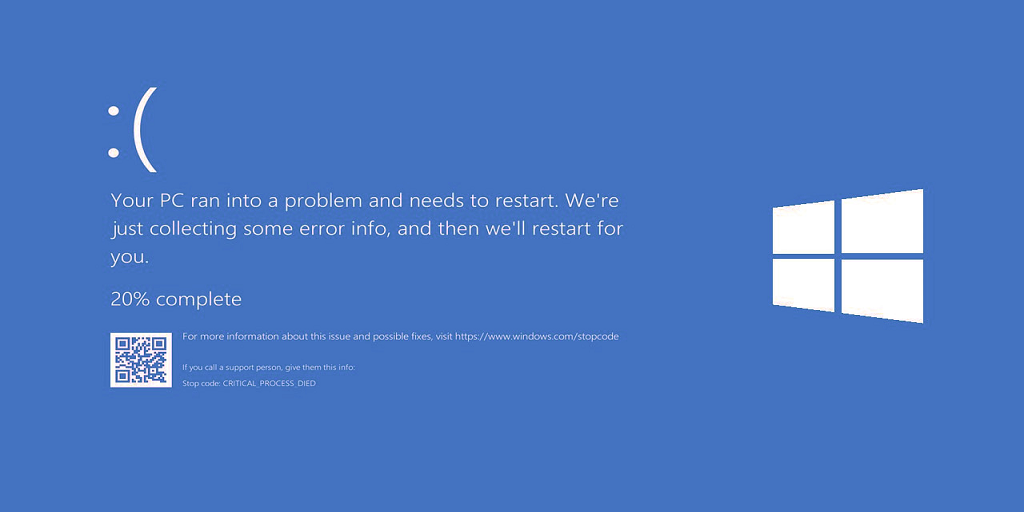
Are you tired of receiving the error code 0x0 0x0 on your Windows computer? You are not alone. Many Windows users run into this issue when something goes wrong with system settings, software installation, or corrupted files. The error can appear suddenly and may prevent programs from running properly or cause system instability.
The good news is that this issue can often be resolved by following a few basic troubleshooting methods. In this guide, we explain what 0x0 0x0 means, why it appears, and how you can resolve it quickly on your Windows device.
What Does Error Code 0x0 0x0 Mean?
The 0x0 0x0 error usually appears when Windows encounters a malfunction related to system files, applications, or services. In simple terms, it signals that something within the operating system is not working correctly.
This issue may occur when Windows cannot access required files or when a process fails to run as expected. It can also appear during software updates, driver conflicts, memory issues, or system configuration problems.
Since the error does not always point to a single cause, identifying the underlying problem is important before applying a solution.
Common Causes of the 0x0 0x0 Error
Several factors can trigger the 0x0 0x0 error on Windows devices. In most cases, the problem is linked to software conflicts or system configuration problems.
Some of the most common causes include:
- Incorrect entries in the Windows registry
- Incomplete or corrupted Windows installation
- Improperly installed programs or drivers
- Missing or damaged system files
- Malware or virus infections
- System crashes caused by sudden shutdowns or power loss
These issues can interfere with normal system processes and lead to the appearance of the 0x0 0x0 error.
Methods to Fix Error Code 0x0 0x0 on Windows
Fortunately, there are several troubleshooting methods can help resolve this issue. Try the following solutions one by one until the error disappears.
Update Windows
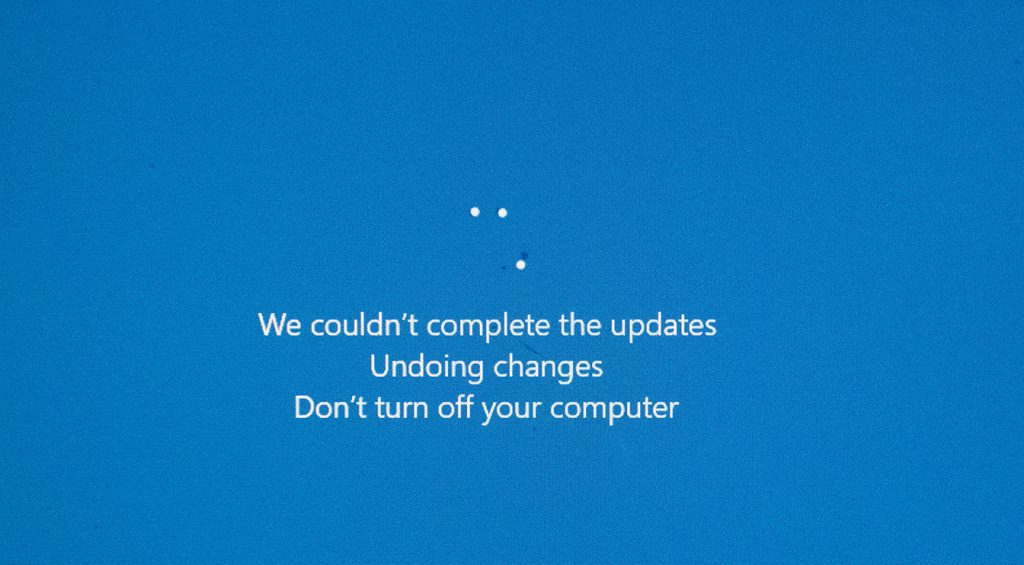
Outdated system files or missing updates can often cause errors. Installing the latest Windows updates can resolve bugs and compatibility issues that may trigger 0x0 0x0.
To update Windows:
- Open Settings by pressing Windows + I
- Select Update & Security
- Click Check for Updates
- Download and install any available updates
After installing the updates, restart your computer and see if the error still appears.
Restart Your Computer
Sometimes the simplest solution works best. Restarting your system clears temporary files and resets running processes that may be causing the problem.
If the 0x0 0x0 error appeared due to a temporary glitch or software conflict, try restarting the computer. This is the simplest and easiest solution.
Run Windows in Clean Boot Mode
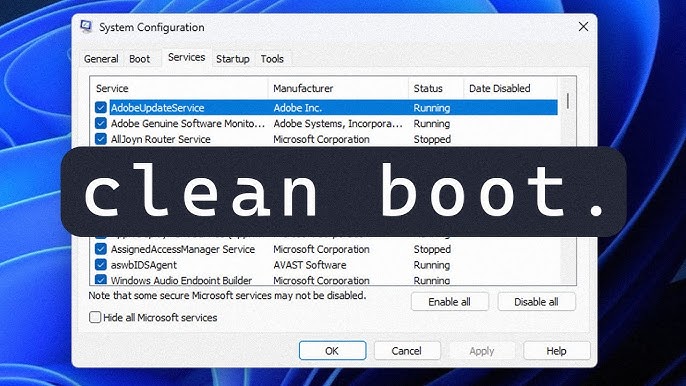
Running your system in a clean boot state allows Windows to start with only essential drivers and services. This helps identify whether a background program is responsible for the error.
To perform a clean boot:
- Use the Windows + R keyboard shortcut to open the Run window.
- Type msconfig and press Enter.
- Go to the Boot tab
- Select Safe Boot and choose Network
- Click OK and restart your computer
If the system runs without errors in this mode, a background service or application may be causing the issue.
For older systems, performing a Windows 7 safe mode boot can help isolate the problem in a similar way.
Update Device Drivers
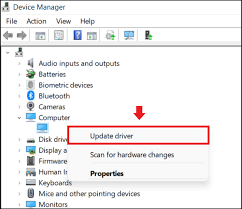
Another common cause of the 0x0 0x0 error is having outdated or corrupted drivers. Updating drivers ensures that hardware components communicate correctly with the operating system.
To update drivers:
- Right-click the Start button
- Select Device Manager
- Open the device category that contains the driver you want to update.
- Right-click the driver and select Update Driver
Complete the update process by following the prompts shown on your screen.
Close Conflicting Programs
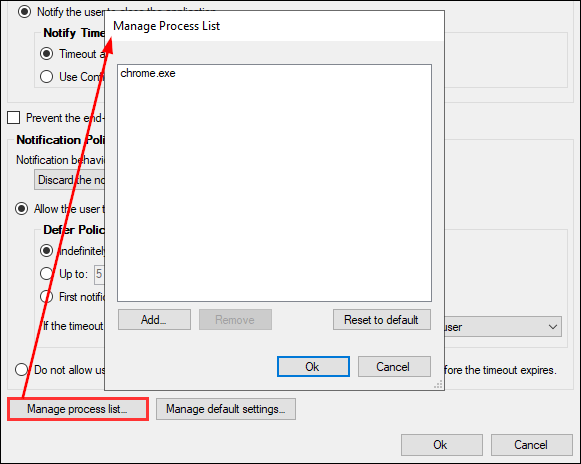
Running multiple applications at the same time can sometimes create software conflicts. These conflicts may trigger the 0x0 0x0 error.
You can close unnecessary programs using Task Manager.
- Press Ctrl + Alt + Delete, then select Task Manager from the menu.
- Select the Processes tab
- Choose the program you want to stop
- Click End Task
Closing conflicting applications may restore normal system performance.
Run the System File Checker Tool
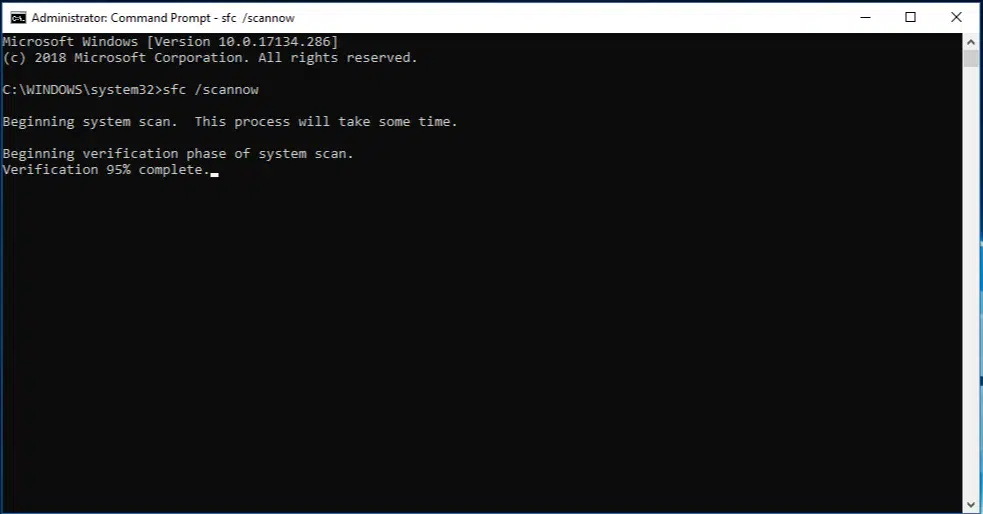
The System File Checker (SFC) tool checks your system for corrupted or missing files and restores them with proper versions.
To run SFC:
- Press Win + X and open Terminal (Admin)
- Type sfc /scannow and press Enter
- Wait for the scan to complete
Once the scan is complete, restart your device to finalize the changes.
Use the DISM Tool
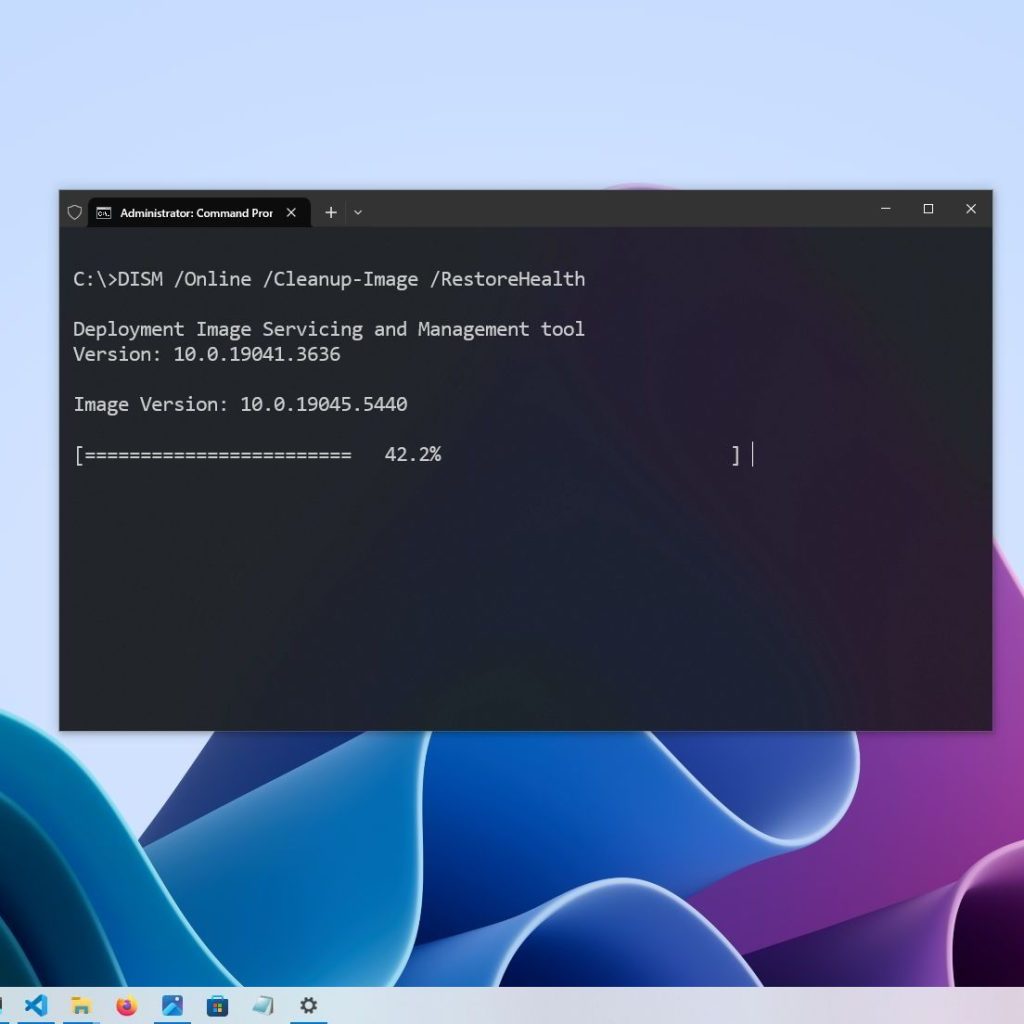
If corrupted system files are causing the problem, the DISM tool can help repair them.
To run DISM:
- Open Terminal (Admin)
- Type the following command:
- Dism/online/cleanup-image/restorehealth
- Press Enter, let the scan run until it completes, then restart your computer.
Check Your Internet Connection

In some cases, the 0x0 0x0 error appears during updates or downloads because of unstable internet connectivity.
Confirm that your device is connected to the internet and the connection is stable. Restart your router if necessary and try the process again.
Run Disk Cleanup
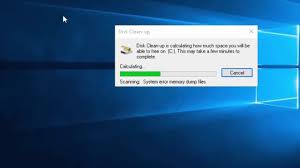
Insufficient storage space can sometimes cause system errors. Running Disk Cleanup removes temporary files and frees up space.
To do this:
- Open File Explorer
- Right-click your system drive
- Select Properties
- Click Disk Cleanup
Clearing unnecessary files may improve system stability and help resolve the error.
When to Seek Technical Help
If you have tried all of the above methods and the error still appears, it may indicate a deeper system issue. In that situation, professional technical assistance may be required.
An experienced technician will perform advanced diagnostics, repair system files, or reinstall Windows if necessary.
Final Thoughts
The 0x0 0x0 error can be frustrating, but in most cases, it is fixable with the right troubleshooting steps. Problems like outdated drivers, corrupted system files, or incorrect settings are usually responsible for triggering the error.
By updating Windows, running system scans, checking drivers, and using safe boot options such as Windows 7 safe mode boot, you can often resolve the issue without much difficulty.
If the error appears again in the future, these same methods can help you restore your system quickly and keep your Windows device running smoothly.
Read Also